Profound Autism Summit
← All Profound Village topics Adulthood and Housing

Adulthood

Adulthood brings no end to the need for support. By definition, profoundly autistic adults require lifelong caregiving, including help with basic self-care and daily living. Families must navigate complex, often inconsistent systems for services, housing, and financial planning, which vary widely by state. Residential options are limited and waitlists are long. Parents face the difficult task of planning for the future, often relying on siblings to take on guardianship when they can no longer do so. The need for coordinated, compassionate, lifelong care is urgent and growing.

Reference

Glossary of Terms

The most common terms you will hear when planning services, supports, and a secure future for adults with profound autism. Programs, rules, and names vary by state, but these definitions give you the big picture.
Day Habilitation (DayHab)
Structured daytime activities that build life skills, promote community participation, and provide supervision. Often funded through Medicaid waivers.
Adult Day Services / Day Programs
A broad term for supervised programs that offer social, recreational, and skill-building activities during the day.
Community Habilitation (Comm Hab)
Support delivered in the community or at home to teach and maintain skills for daily living.
Residential Services
Group homes, supervised apartments, or other staffed living arrangements for adults who cannot live alone safely.
Shared Living
A residential option where an adult with a disability lives in the home of a trained caregiver or host family. The caregiver provides daily support, supervision, and inclusion in family and community life. Shared living can be a long-term arrangement and is often funded through Medicaid waivers. In some states it is called Adult Foster Care or Host Home.
Supported Living
Housing where the person lives in their own home or apartment but receives regular support from staff.
Respite Care
Short-term relief for primary caregivers, either in-home or at a specialized facility.
In-Home Support Services
Help with personal care, hygiene, meal preparation, and daily activities provided in the home.
Vocational Rehabilitation
State-run programs that prepare and support people with disabilities for work.
Sheltered Workshop
A structured, supportive work environment for people who need ongoing assistance. Availability varies by state.
Behavioral Supports
Services from a Board Certified Behavior Analyst (BCBA) or behavior specialist to address challenging behavior and teach new skills.
Occupational Therapy (OT)
Therapy to improve daily living skills, sensory processing, and fine motor abilities.
Speech-Language Pathology (SLP)
Communication support, which may include AAC (augmentative and alternative communication) devices or systems.
Adult Day Health
Day programs that also provide nursing or medical oversight for people with significant health needs.
Guardianship
A court process giving a person legal authority to make decisions for an adult who cannot do so independently.
Conservatorship
Similar to guardianship. Term used in some states.
Supported Decision-Making
An alternative to full guardianship where the adult makes their own decisions with help from trusted supporters.
Power of Attorney (POA)
Legal authority to act on someone’s behalf for finances, healthcare, or both.
Special Needs Trust
A legal arrangement to manage assets for a person with a disability without affecting their eligibility for government benefits.
ABLE Account
A tax-advantaged savings account for people with disabilities that can be used for qualified expenses without jeopardizing benefits.
Future Planning
Coordinating housing, services, finances, and guardianship for when parents or primary caregivers are no longer able to provide care.
Medicaid Waiver
State programs that fund long-term services (like DayHab, respite, and residential care) not typically covered by standard Medicaid.
SSI (Supplemental Security Income)
A federal benefit providing monthly income to people with disabilities who have limited income and resources.
SSDI (Social Security Disability Insurance)
Monthly income for people with disabilities who have a work history or whose parents qualify through their own work record.
State Developmental Disabilities Agency
The state office responsible for providing or coordinating services for people with developmental disabilities.
Recommended Reading

Books for families planning ahead

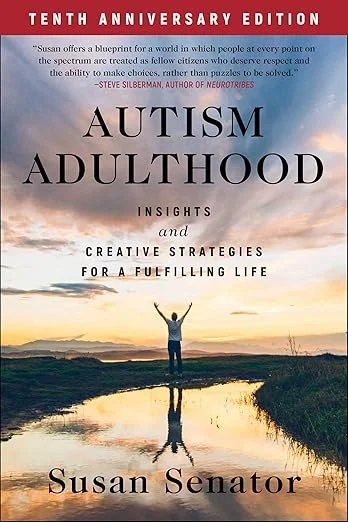
Autism Adulthood by Susan Senator

Autism Adulthood: Insights and Creative Strategies for a Fulfilling Life, Second Edition

Susan Senator tackles the challenges of adult life for people on the more severe end of the spectrum, including those who cannot communicate for themselves, and works through the complex decisions that await parents and caregivers. She shares her family’s own story about her son, Nat, alongside interviews with parents, caregivers, researchers, and professionals.

See more on Amazon →

Continuing Education

Recorded sessions on adult life

Sessions from the Profound Autism Summit, available on demand through BehaviorLive. Many carry CE credit for behavior analysts.

Related topics

Keep exploring resources connected to adult life and long-term planning.

New resources, sent when they are ready

Tell us whether you are a family member or a professional and we will send what fits.