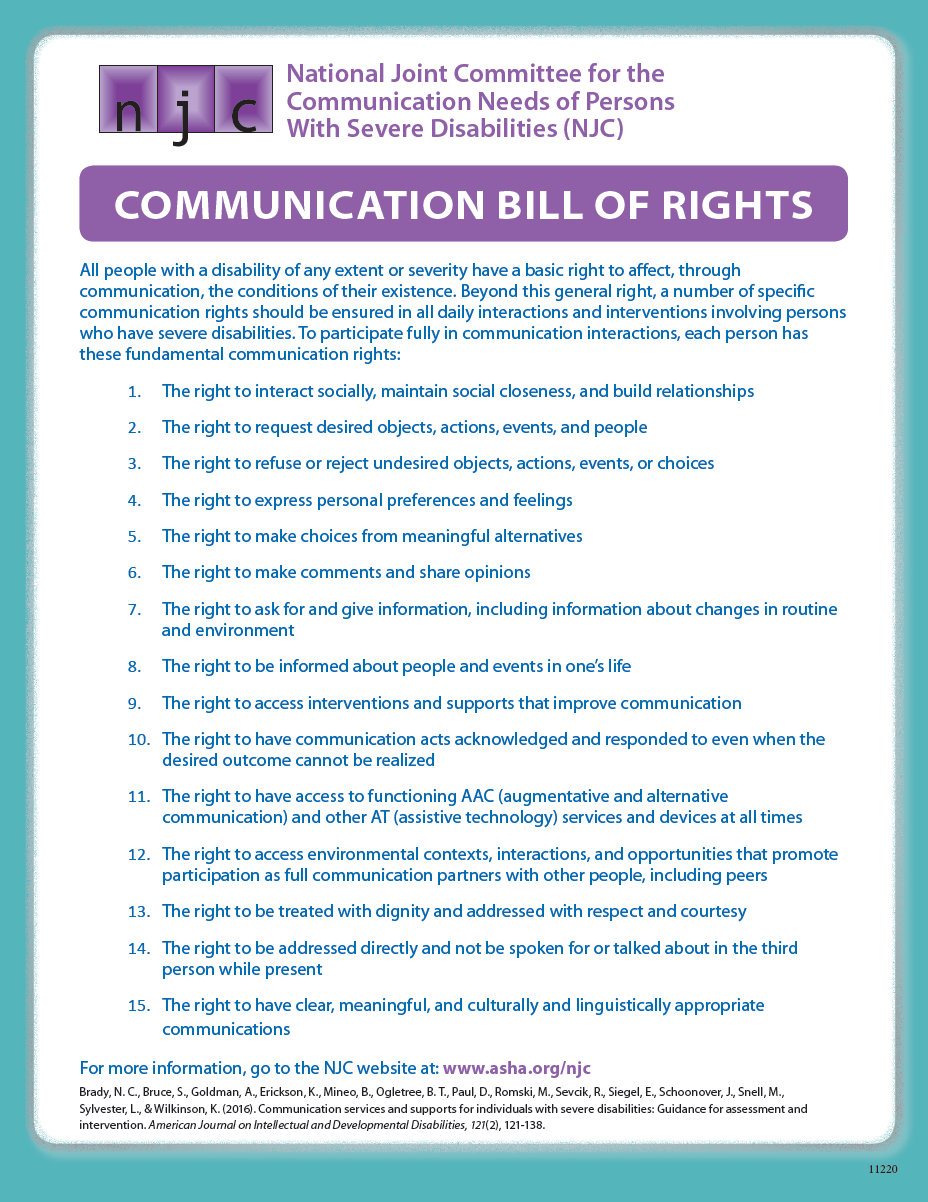
Being able to communicate is vital for connection, safety, and participation in daily life. People with Profound Autism experience significant barriers to communication. Verbal speech may be difficult or impossible due to motor or neurological differences, and the inability to express needs, discomfort, or emotions can result in frustration and challenging behavior. Collaboration between parents, caregivers, and professionals is essential to identify the most effective strategies and supports, ensuring communication methods are meaningful, practical, and consistent across environments.
Communication is a fundamental part of connection, safety, and quality of life. People with Profound Autism face significant challenges in communicating. Verbal speech may be difficult due to motor, sensory, or neurological differences. Limited ability to express needs, discomfort, or emotions can lead to frustration, and sometimes challenging behavior. Sensory sensitivities and processing differences can also affect how a person communicates and understands others.
AAC methods provide effective ways for individuals to express themselves. These can include low-tech options like picture cards, communication boards, or the Picture Exchange Communication System (PECS), as well as high-tech options such as speech-generating devices or tablet apps. The key is personalization: the right system depends not only on the individual’s motor skills, preferences, and sensory needs, but also on the community and environment in which it will be used. Whatever method is selected must be functional and practical in the person’s everyday life, allowing them to communicate effectively with the people around them.
FCT is an evidence-based approach that teaches individuals practical ways to communicate their needs, wants, or feelings in real-life situations. The goal is to replace challenging behavior with functional, socially meaningful communication that works within the person’s regular environment. FCT begins by identifying the function of a behavior, for example, whether it occurs to gain attention, escape a demand, or express discomfort, and then teaching an appropriate communication strategy that serves the same purpose. This might involve gestures, picture cards, communication devices, or verbal approximations, depending on the individual’s abilities.
A critical part of FCT is ensuring that the chosen communication method is useful in daily life and understood by the people around the individual, including family, caregivers, teachers, and peers. Training focuses not only on the person with profound autism, but also on the people in their environment, so that communication becomes effective and consistent across all contexts. With ongoing practice, modeling, and reinforcement, FCT can significantly reduce frustration and challenging behavior while increasing independence and participation in everyday activities.
Communication is most effective when it is supported consistently. Caregivers can:
Professionals can help individuals with Profound Autism develop effective communication skills. It is important that these professionals have specific experience working with profoundly autistic individuals and are familiar with AAC systems. Speech-language pathologists (SLPs) assess communication abilities and recommend or design AAC systems tailored to the individual’s needs. Behavior specialists or BCBAs/ABA therapists can provide guidance on Functional Communication Training (FCT) and on systematically fading prompts over time to help individuals communicate more independently. Occupational therapists can support the motor and sensory skills needed to use communication tools effectively. Collaboration among these professionals, along with caregivers and family members, ensures that communication supports are consistent, practical, and integrated into the person’s daily routines and environments.
Parents and caregivers play a central role in supporting communication for people with Profound Autism. They hold critical information that is essential for teaching communication skills, including what the person likes and doesn’t like, how to recognize their preferences, routines they enjoy, what motivates them, and the signs that they are sick or experiencing discomfort. This knowledge is vital when helping the person communicate these needs, request what they want, learn ways to say no, or signal a need for a break. Caregivers’ insights ensure that communication strategies are meaningful, personalized, and effective in the person’s daily life. Collaboration with professionals ensures consistency across environments, provides training in effective teaching methods, and helps identify strategies to reduce stress and frustration for both the individual and their caregivers. By working closely with professionals, families can make sure that communication strategies are meaningful, personalized, and integrated into the person’s everyday life.
Sessions from the Profound Autism Summit, available on demand through BehaviorLive. Many carry CE credit for behavior analysts.
More resources in Daily Living.
Tell us whether you are a family member or a professional and we will send what fits.